The school system we have nowadays was designed during the industial age and
the sole intent of the education system was to people to be willing to work in a factory.
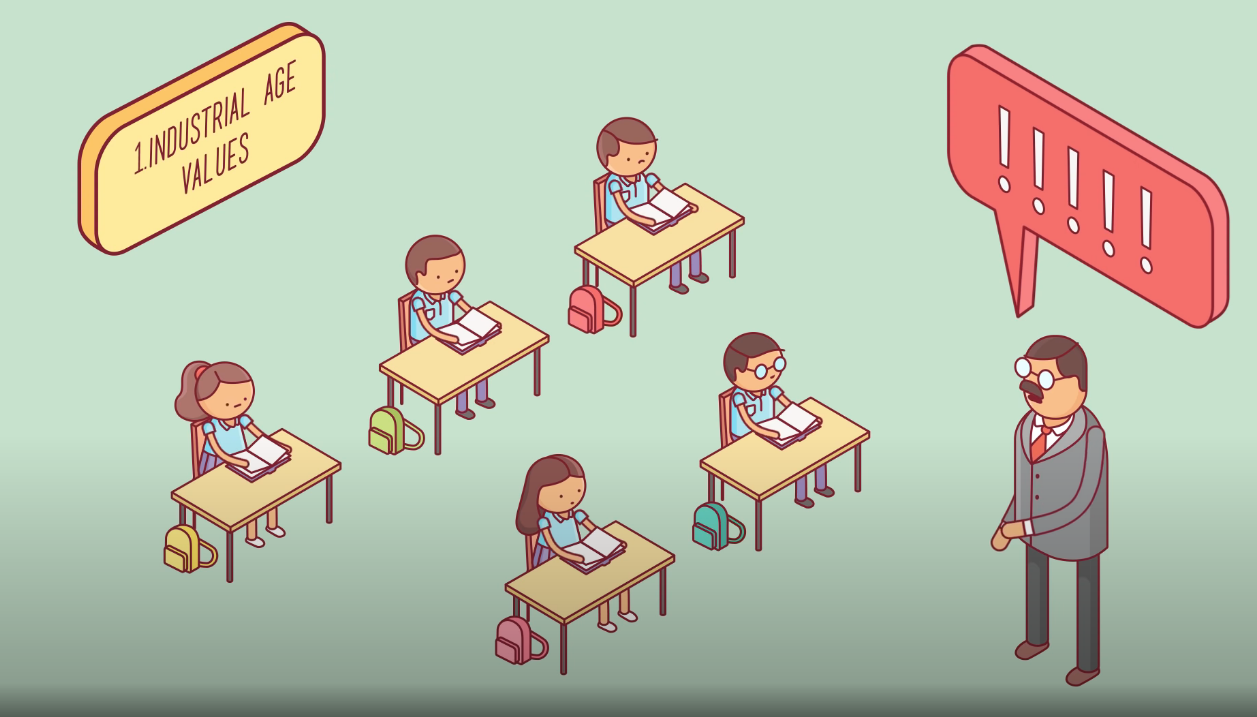
So the Industrial age mentality of mass-production and mass-controll still runs deep in schools.
We educate children by batches and govern their lives by ringing bells. All day long students do nothing but
follow instructions:
sit down, take out your books, turn to page 40, solve problem number three, stop talking!
At school you are awarded for doing exactly what you are told.
These are Industial age values that were really important for factory workers,
their succes depended on following instructions and doing exactly what they were told.
The modern world values people who can be creative, who can communicate their ideas and collaborate with others.
Our children don't get a chance to develop such skills in a system that's based on Industial age values.
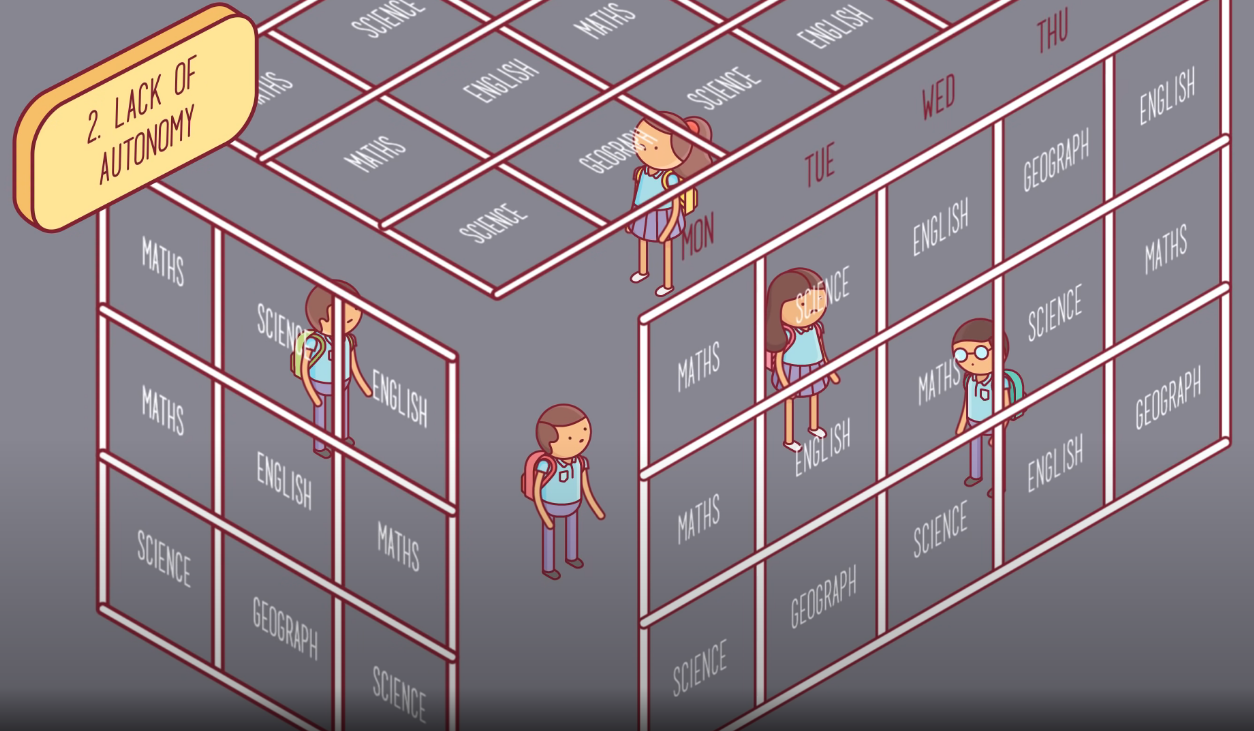
At school our children experience a complete lack of autonomy and control.
Every minute of a child's life is tihtly controlled by the system, but in today's world, if youare doing important
work then you are managing
your own time and making your own decisions regarding what to do and when to do it.
The school system is sending a dangerous message to our children that they are not in charge of their own lives,
they just have to follow
whatever is laid down instead of taking charge and making the most of their lives.
It is no wonder then that our children are bored and demotivated at school...
Can you imagine how you would feel if you were told exactly what to do for every minute of your life?
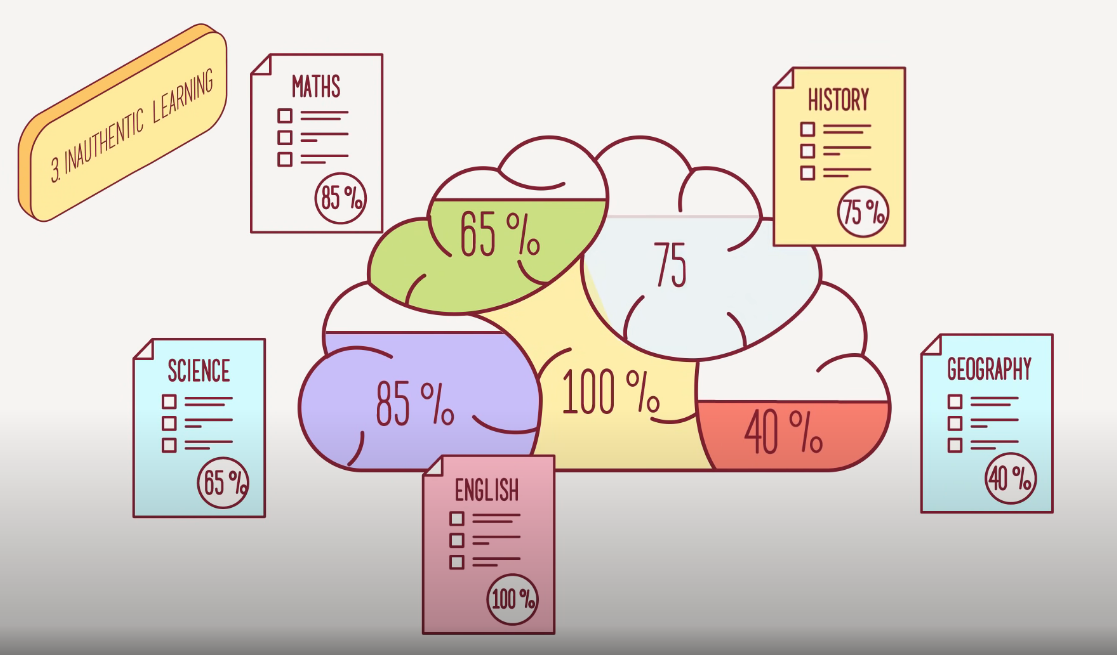
Most of the learning that happens in schools today is inauthentic, because it relies on memorization and rote
learning.
The system defines a generic set of knowledge taht all children must know, and then every few months we mesure how
much has been retained by administering exams.
We know thst such learning is not authentic because most of it is gone the day after the exam. learning can be so
much more than just memorization and retention.
But that is the only thing we mesure and test scores are the only thing we value and this has created an extremly
unhealthy culture for children, parents and teachers.
Children are going through endless hours of tuitions, staying up all night memorizing useless facts that they will
forget very soon.
We have an extremely standardized system where each child must learn the same thing, at the same time and in the
same way as everyone else.
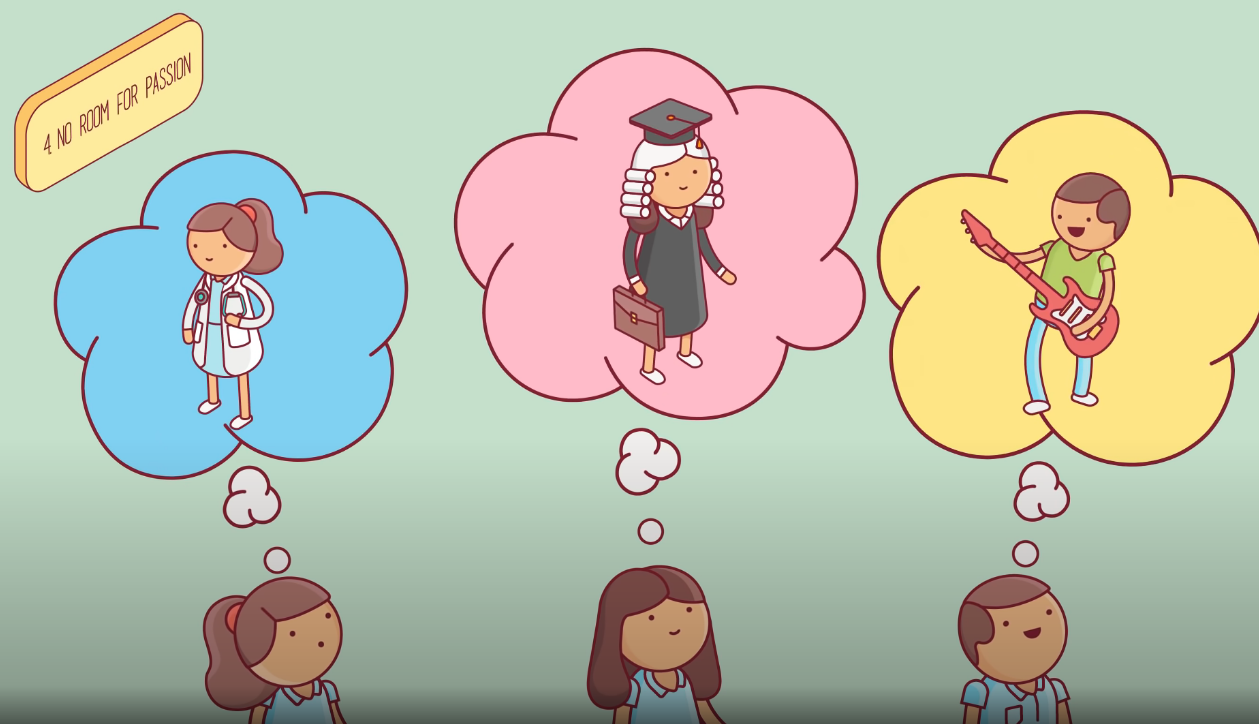
This does not respect the basic fact of being human that each of us is unique and different in our own way, we all
have different passions and interests.
The key to fulfillment in life is to find your passion although there seems to be no room in the current education
system for the most important
question in a child's life: What am I good at? What do I want to do in life? How do I fit into this world?
The system doesn't seem to care.
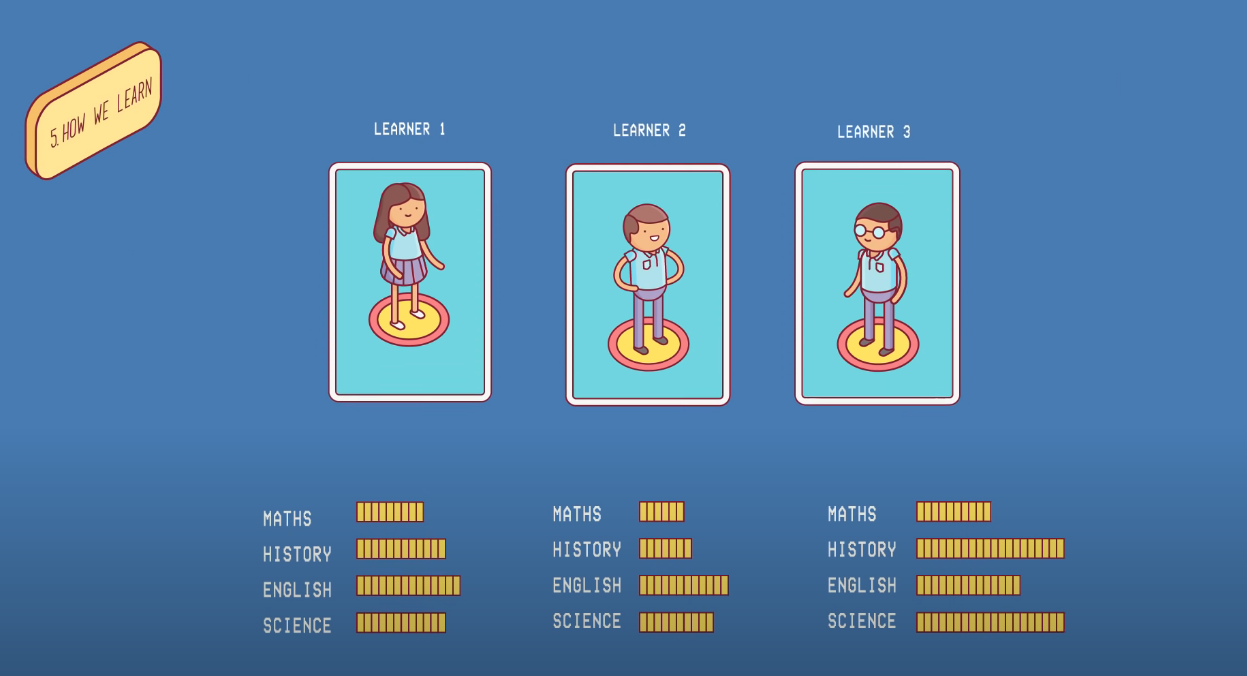
Each of us is also different in how we learn, in how much time we take to learn something and what tools and
resources work best for us.
But the system has no room for such differences, so if you are a bit slow in learning something you are considered
a failure. When all you needed
was just a bit more time to catch up.
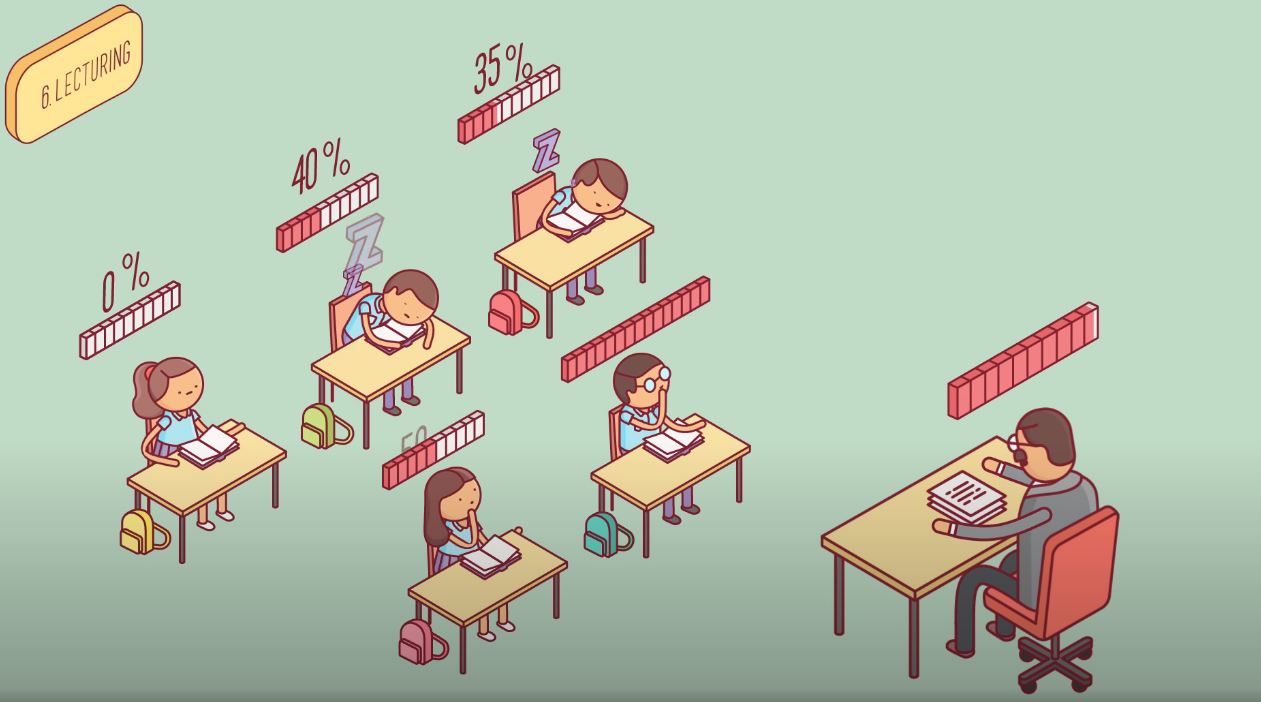
In the currrent system children are lectured for more than five hours a day, but there are a few big problems with
lecturing.
The children aren't allowed to interact with each other and also in any given classroom different students are at
different levels
of understanding and whatever the teacher does there are bound to be students who are either bored because they
are ahead, or confused because they are left behind.
Technology has made it possible for anyone to learn anything, but for fear of losing control, the system is not
leveraging these incredible resources.
Our system of education, which evolved in the Industrial age, has become outdated and ineffective.
If we want to prepare our children for the modern world and if we want learning to be effective and engaging, then
there is no doubt that we need to fundamentally change
our system of education.